
How are ignition interlock devices involved in Texas DWI?
If you’re facing a DWI charge in Texas, there’s a good chance you’ve heard about ignition interlock devices (IIDs).
Many people are surprised when they learn that interlock devices can be required - even before a case is fully resolved and regardless of whether someone has been convicted.
Here’s a clear, helpful guide on why courts order interlock devices and what it means for your case.
What Is an Ignition Interlock Device?
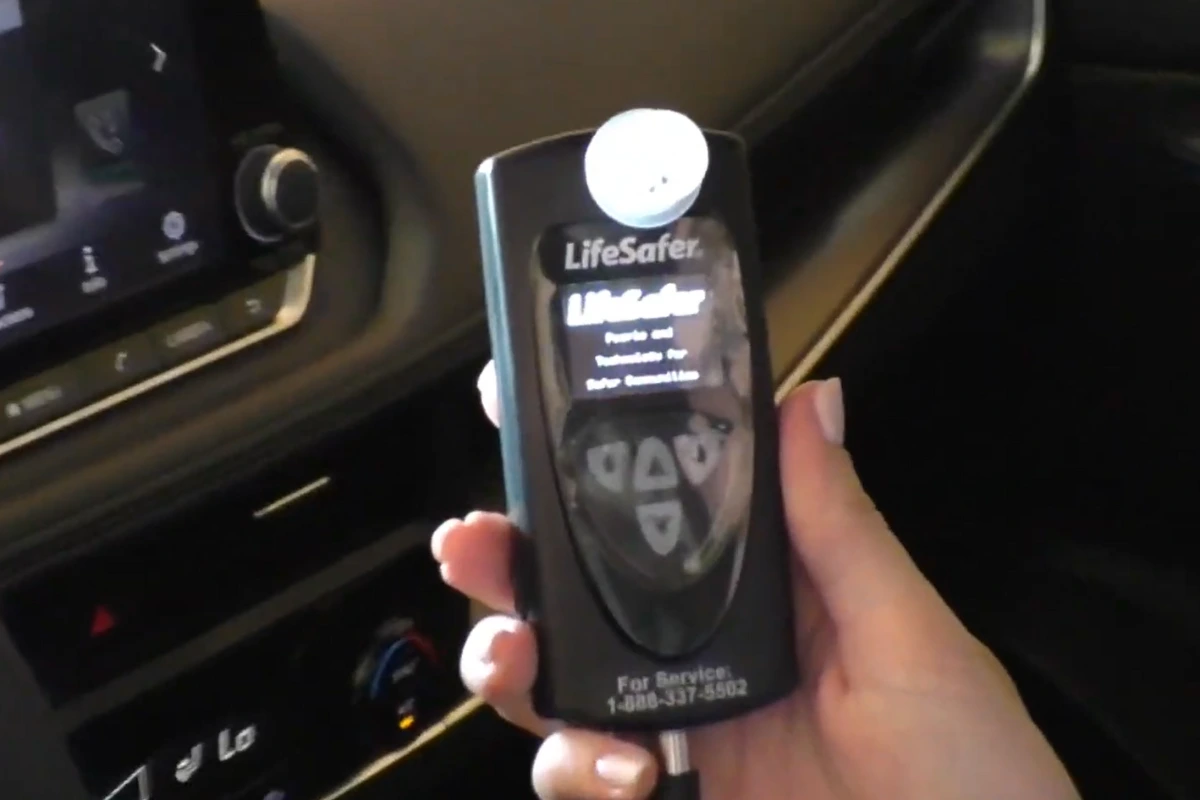
An ignition interlock device is a small breathalyzer-like unit installed in your vehicle.
Before the car can start, the driver must blow into the device.
If the device detects alcohol over a very low threshold, the car will not start.
It also requires rolling retests - meaning the device may request additional breath samples as the vehicle is being driven.
The purpose of the device is simple:
To prevent a driver who is intoxicated from operating a vehicle.
How are ignition interlock devices involved in Texas DWI?
If you’re facing a DWI charge in Texas, there’s a good chance you’ve heard about ignition interlock devices (IIDs). Many people are surprised when they learn that interlock devices can be required - even before a case is fully resolved and regardless of whether someone has been convicted. Here’s a clear, helpful guide on why courts order interlock devices and what it means for your case.
When Are Interlock Devices Ordered in DWI Cases?
Texas judges frequently order interlock devices as a condition of bond or probation. Situations where a device may be required include:
1. Second or Subsequent DWI Arrests
If someone has previously been convicted of DWI, Texas courts almost always require an interlock device while the case is pending and after conviction.
2. First-Time DWI with a High BAC
If the alleged blood alcohol concentration (BAC) was 0.15 or higher, judges often require interlocks because Texas law treats high-BAC cases more seriously.
3. DWI Cases Involving Accidents or Serious Risk
If a judge believes someone poses a risk to public safety, they may impose an interlock device as a condition of release - even in a first-time case.
4. Mandatory on Certain Probation Orders
Even when not required during the case itself, courts may order the device as part of community supervision.
Interlock Devices as a Condition of Bond
In Texas, many counties require the device as a bond condition. When this happens, a person must have the device installed before they are legally allowed to drive while their case is pending - even though they have not been convicted.
Bond conditions are not optional.
Failure to comply with a bond order can lead to bond revocation and jail time.
This is serious stuff.
Interlock Devices as Part of Probation
If someone pleads guilty or is found guilty, the device may become part of their probation terms.
Courts may require:
- Monitoring uploads of test results
- Monthly reporting
- Proof of calibration
- Compliance throughout probation
Failing to comply with interlock conditions can lead to probation violations and potentially jail.
The Costs of an Interlock Device
While the court orders it, you pay for it.
Typical expenses include:
- Installation fee
- Monthly monitoring fee
- Calibration charges
These costs can add up over time, especially for long probation periods.
Why Courts Order Interlock Devices
Although interlocks may feel burdensome, the courts view them as:
- A public safety measure
- A way to allow drivers to stay licensed and continue employment
- A tool to reduce re-offending
It’s often viewed as a better alternative to completely banning someone from driving.
The Importance of Legal Representation
If you are ordered to install an interlock device, your attorney may be able to:
- Request a hearing to modify the device requirement
- Challenge improper bond conditions
- Provide guidance on compliance
- Help preserve driving privileges
Every county courthouse handles these issues differently, which is why having a lawyer who understands local procedures matters.
Final Thoughts
Being ordered to install an ignition device doesn’t mean your case is over, and it doesn’t mean you’re guilty. It is simply one part of the DWI process in Texas.
Knowing your legal rights, understanding what to expect, and working closely with your attorney helps you navigate the process while protecting your future.
If you have questions about interlock devices, bond conditions, or DWI charges in Texas, our legal team is here to help. Just reach out - we’ll guide you through the process and help you make informed decisions moving forward.
Call for a confidential consultation today at (325) 326-5962. Let us help you navigate this difficult time and work to protect your future.